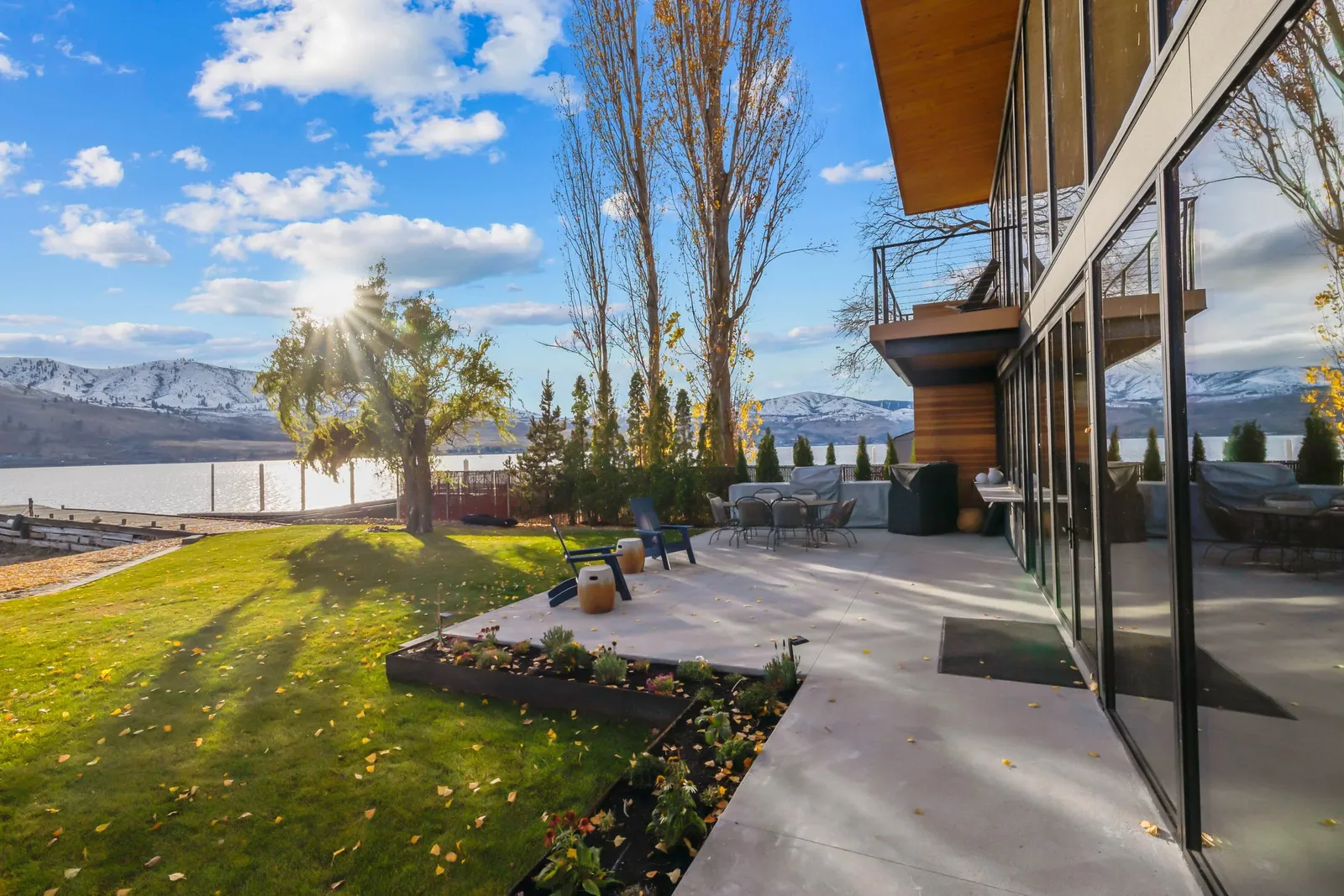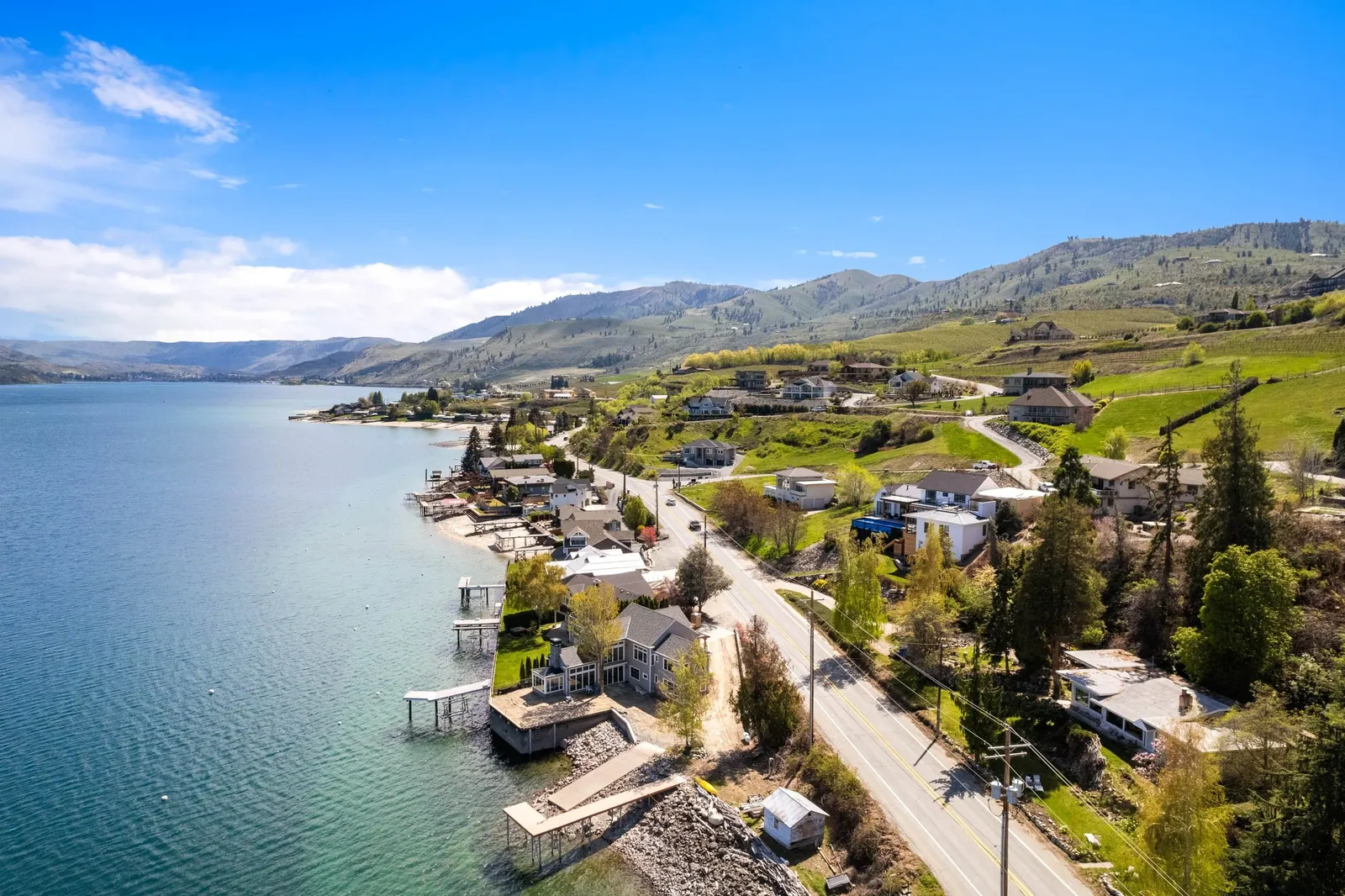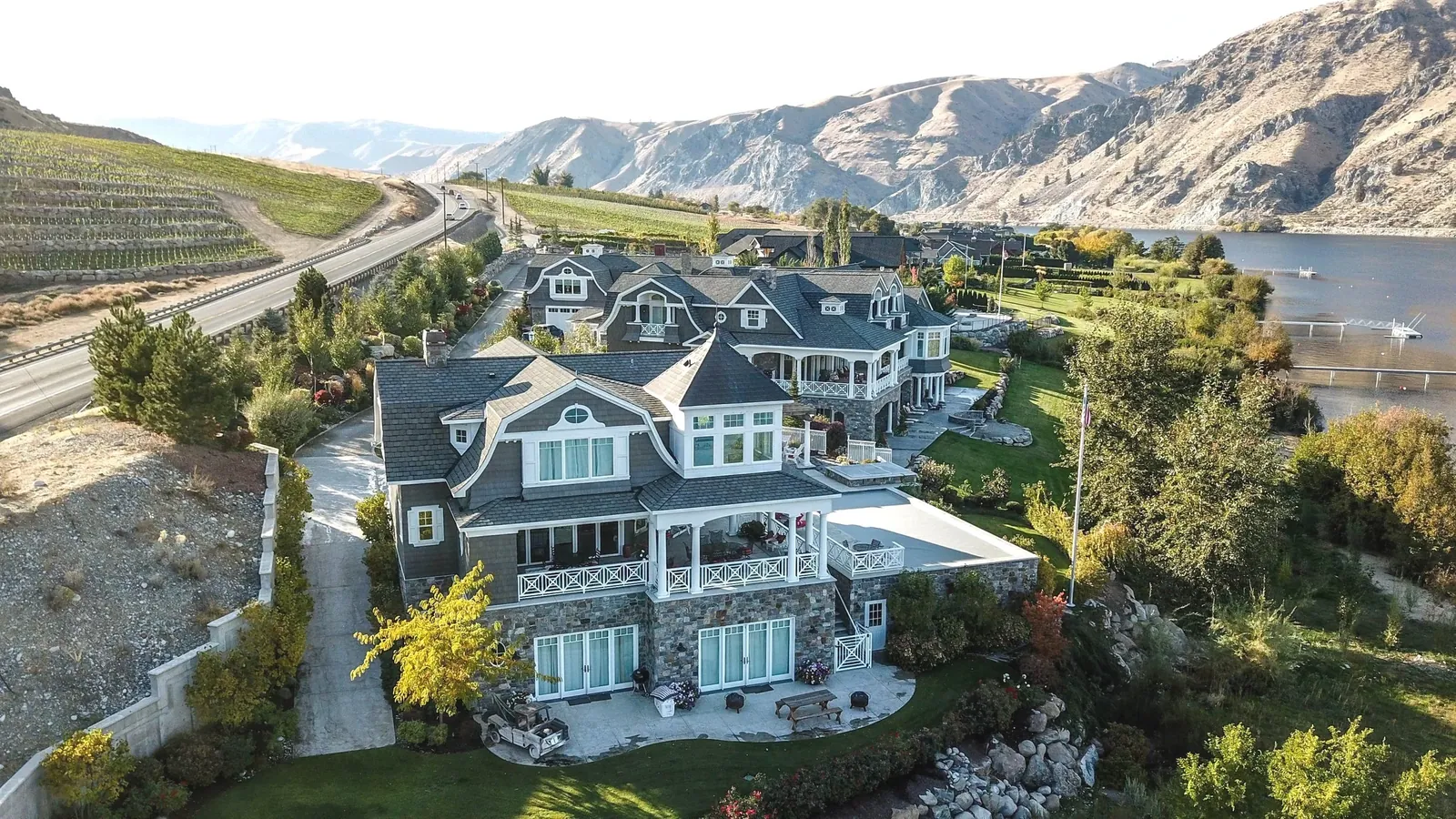
A waterfront lot on Lake Chelan is one of the most sought-after places to build in Washington. It is also one of the most regulated. The shoreline, the soil, the water supply and the lake itself all shape what can be built, where it can sit and how it will live. Two lots with the same price and the same view can lead to very different homes.
That is why we encourage clients to call us before they make an offer, not after. Land and lot acquisition is the first step of our process: we confirm feasibility by bringing in consultants such as soil engineers, flying a drone to verify the views, and reviewing restrictions, easements and more. Here is what we look at, and what we suggest every buyer understand before committing to a waterfront parcel.
Start with the shoreline rules
Building near the water in Washington falls under the state Shoreline Management Act, carried out locally through a Shoreline Master Program (SMP). For unincorporated Chelan County, the current program took effect on September 30, 2021. Lots inside a city's limits fall under that city's own shoreline rules, so the first question for any parcel is simply which jurisdiction applies.
The county SMP assigns each stretch of shoreline an environment designation, and the designation sets the buffer, the area between the water and your home where structures are limited. According to the Chelan County SMP User Guide, buffers are measured from the ordinary high water mark and range from 50 feet in Urban areas and the Lower Lake Chelan Basin to 100 feet in Rural and Conservancy areas and 150 feet in Natural areas.
On narrower lots there is some relief. For single-family homes on lots less than 100 feet wide, the county allows a "common line" setback based on where the neighboring homes sit, but not closer than 25 feet from the ordinary high water mark. A vacant lot next door counts as the full buffer, which can change the math considerably.
The practical takeaway: the buildable area of a waterfront lot is often much smaller than the lot lines suggest. We want to know where the house can legally go before anyone falls in love with a floor plan.
Understand what you can do with the view
Buyers are often surprised to learn that shoreline vegetation is protected too. The county guide allows one view corridor per privately owned lot, limited to 25 percent of the lot's frontage or 25 feet, whichever is less. Corridors are meant to go where non-native plants dominate, and removing native vegetation should be avoided. Where removal would affect the shoreline, a mitigation and management plan is typically required.
This is one reason we fly the site before purchase. Seeing the view from the actual height of a future great room, rather than from the beach, tells you whether the home can be positioned to capture the lake without clearing what the rules protect.
Plan the dock early
For many families, the dock is the reason to be on the water. It is also one of the more tightly defined structures on the lake. The county guide sets out Lake Chelan dock standards, including piers and floats no more than 8 feet wide, a maximum length of 55 feet or enough to reach safe moorage depth of at least 12 feet, and a maximum area of 320 square feet for a single-use dock or 450 square feet for a joint-use dock shared with a neighbor.
Work below the ordinary high water line also generally requires a Hydraulic Project Approval from the Washington Department of Fish and Wildlife. If a lot already has a dock, the county guide notes that replacement is generally allowed in the same location and size, which makes an existing, permitted dock worth confirming as part of your due diligence.
Look at the lake in every season
Lake Chelan is a managed lake. Chelan PUD operates the dam at the outlet and, according to its lake level page, expects to keep the lake between 1,084 and 1,100 feet above sea level in most years. A difference of several feet changes how a beach, a dock ramp and a swim area feel from month to month.
A lot shown in high summer may look quite different in early spring. We look at slope, depth and exposure with the full range in mind, so the dock, stairs and lower terraces work well whether the water is high or low.
Confirm water and wastewater before you buy
Many waterfront parcels around the lake rely on an on-site septic system, and that system needs room, often on the same limited ground the house wants. The Chelan-Douglas Health District requires a site and soil evaluation by a licensed designer or professional engineer, then a system designed by a licensed professional. As part of the review, owners must also show water availability, either through a private water review or a will-serve letter from a public water system.
Soil conditions determine the type of system and how much area it needs. On a tight lot, that can decide the size and placement of the home. Where public sewer and water are available, the questions change, but they still deserve an answer in writing before closing.
Read the slope, soil and access
Many of the lake's best lots fall steeply toward the water. Grade affects foundation design, retaining walls, driveway layout and how construction crews and materials reach the site. Soil and geotechnical reports tell us what the ground will support, and a careful look at access tells us how a build will be staged. These are not reasons to pass on a lot, but they are real parts of the budget and schedule, and they are far better understood before purchase than after.
We also review recorded easements, shared driveways, community covenants and any restrictions on height or design. Each one can shape the home as much as the shoreline does.
A short checklist for buyers
- Confirm whether the lot is under Chelan County or a city's shoreline program, and which environment designation applies.
- Locate the ordinary high water mark and sketch the buffer before picturing the house.
- Note neighboring homes and whether a common line setback could apply.
- Ask whether any existing dock is permitted, and what a new or replacement dock would require.
- Find out whether the lot has public sewer and water or will need a septic system and water review.
- Order a soil evaluation and, on steeper ground, a geotechnical review.
- Review title for easements, covenants and access agreements.
- Visit, or ask us to fly the site, to confirm the view from where the home will actually sit.
Why bring a builder in first
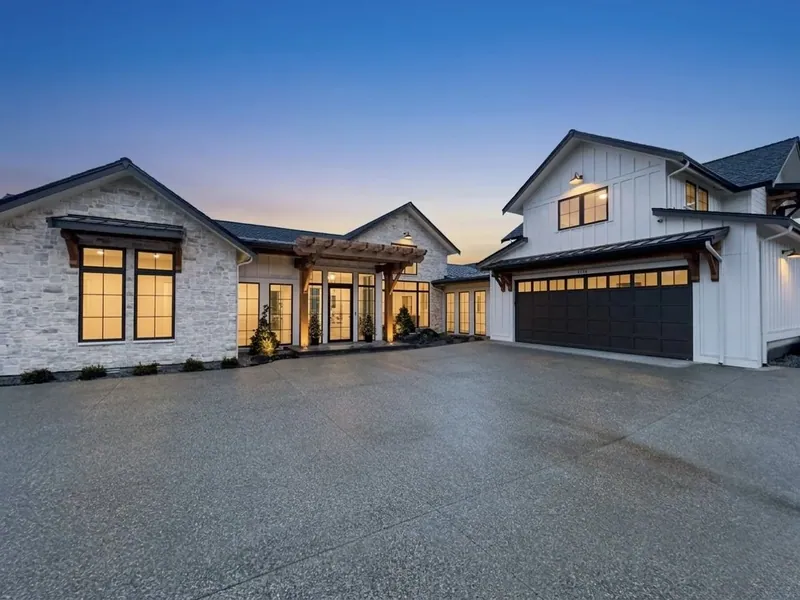
Regulations and site conditions on Lake Chelan are workable, and several homes in our portfolio sit right at the water's edge, including our Lake Front Farmhouse with direct waterfront access. The difference between a smooth project and a frustrating one is usually decided before the purchase, when the right questions can still change the decision.
Since 1991, our team has helped clients find and evaluate land across the Chelan and Manson shorelines and throughout North Central Washington. Rules change, and every parcel is different, so treat the figures above as a starting point and confirm them with the county or city for your specific lot. If you are considering a waterfront property, we would be glad to walk it with you.
Start a conversation with our team about the lot you have in mind.